Ever received a message that simply says “alr” and wondered what it means? You’re not alone. As texting and social media continue to favor quick, effortless communication, abbreviations like ALR have become part of everyday online conversations. In most cases, ALR means “alright”—a casual way to say okay, I agree, or I understand. In some contexts, it can also stand for “already,” depending on the sentence. Knowing the meaning of ALR helps you understand the tone of a conversation and reply naturally across platforms like WhatsApp, Instagram, Snapchat, TikTok, Discord, and text messages.
What Is the Meaning of ALR in Texting?
In texting, ALR most commonly stands for “alright” or “all right.” It’s a short, informal abbreviation people use to acknowledge a message, agree with someone, confirm plans, or simply say “okay.” For example, if a friend says, “Meet me at 7?” replying with “alr” means “Alright, sounds good.” In some conversations, ALR can also mean “already,” especially when the context makes it clear, such as “I alr finished my homework.” The surrounding words usually make its intended meaning easy to understand.
The Origin and History of ALR
The abbreviation ALR developed naturally as online communication became faster and more mobile-friendly. During the early days of SMS texting, users shortened common words to save time and fit within character limits. Just as “ok,” “brb,” and “idk” became popular, “alright” was shortened to “alr.” As smartphones, instant messaging apps, and social media platforms grew, the abbreviation spread across different online communities. Today, ALR is recognized by millions of users worldwide as a simple, casual expression in digital conversations.
Why ALR Is Trending Online
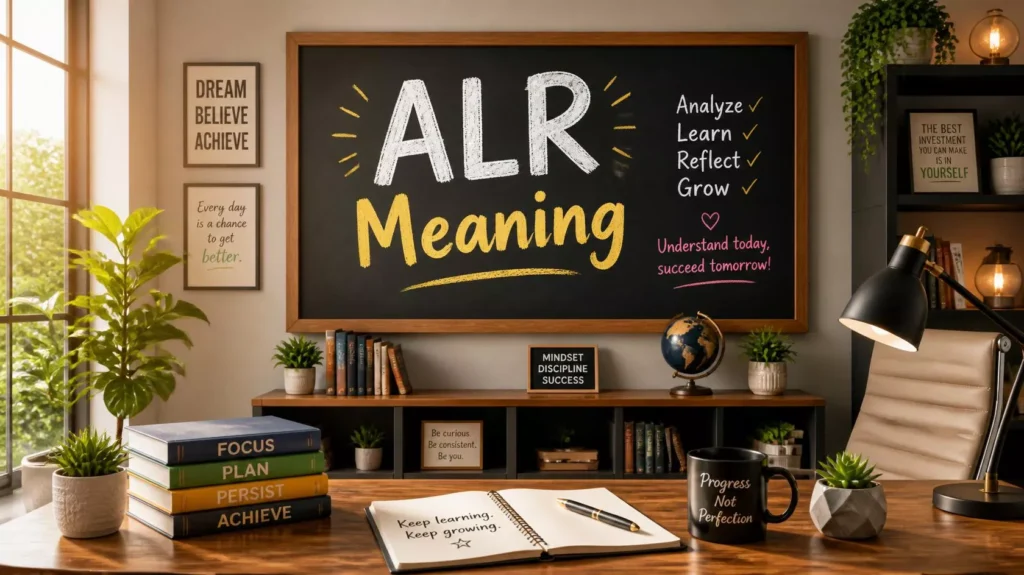
ALR has become increasingly popular because modern online communication values speed, simplicity, and convenience. Instead of typing the full word “alright,” users can send “alr” in just three letters while keeping the same meaning. It’s especially common among younger users on platforms like TikTok, Snapchat, Instagram, Discord, and WhatsApp, where quick replies are the norm. The abbreviation also matches the relaxed tone of online conversations, making messages feel more natural and informal. As internet slang continues to evolve, ALR remains one of the most widely used shorthand expressions in everyday digital communication.
Where and How ALR Is Commonly Used
ALR is commonly used in digital communication where quick, informal replies are preferred. You’ll find it in text messages, social media chats, gaming conversations, and even some workplace messaging apps. Most people use it to mean “alright” as a way to agree, acknowledge a message, or confirm something. In certain contexts, it can also mean “already,” though the intended meaning is usually clear from the conversation.
ALR in Text Messages
In text messages, ALR is a casual replacement for “alright” or “okay.” People use it to confirm plans, respond to requests, or show they understand a message. For example, if someone says, “I’ll call you later,” replying with “alr” simply means “Okay.” It’s short, friendly, and commonly used between friends and family.
ALR in Social Media Platforms
On platforms like Instagram, Snapchat, TikTok, Facebook, and X (formerly Twitter), ALR appears in comments, direct messages, and replies. Users often type it to agree with someone, acknowledge a post, or keep conversations moving quickly. Because social media encourages fast, informal communication, abbreviations like ALR have become a natural part of everyday interactions.
ALR in Gaming and Online Communities
Gamers frequently use ALR during multiplayer matches, Discord chats, and online forums. It usually means “alright” when confirming strategies, responding to teammates, or acknowledging instructions. Since gaming conversations happen in real time, short abbreviations like ALR help players communicate quickly without interrupting gameplay.
ALR in Work, Business, or Technical Contexts
Although ALR is mostly informal, it may appear in casual workplace chats on platforms like Slack, Microsoft Teams, or internal messaging apps. Colleagues might use it for quick acknowledgments, such as agreeing to a meeting time or confirming a task. However, in formal emails, business documents, or professional reports, it’s generally better to write “alright,” “okay,” or “confirmed” instead of using ALR.
Understanding the Tone and Intent of ALR
The tone of ALR depends on the conversation and the relationship between the people chatting. It can sound friendly, relaxed, and cooperative when used to agree or confirm something. However, a standalone “alr” may sometimes feel brief or uninterested if no other context is provided. Looking at the surrounding messages helps you understand whether the sender is simply acknowledging your message, ending the conversation, or responding casually.
Best Ways to Use ALR Correctly
Use ALR in casual conversations where a quick, friendly response is appropriate. It’s perfect for confirming plans, agreeing with someone, acknowledging a message, or saying “okay” without typing the full word. Since ALR is informal, it’s best used with friends, family, classmates, or online communities rather than in formal communication.
Situations Where ALR Should Be Avoided
Avoid using ALR in professional emails, academic writing, job applications, legal documents, or any situation that requires a formal tone. Some people may not recognize the abbreviation, which can lead to confusion. In professional settings, writing “alright,” “okay,” or “confirmed” is usually a clearer and more appropriate choice.
Real-Life Examples of ALR in Conversations
- Friend: Want to grab coffee after class?
You: Alr, see you at 4! - Sibling: Don’t forget to lock the door.
You: Alr, I got it. - Teammate: Let’s start the match in five minutes.
You: Alr, I’m ready. - Friend: I already sent the photos.
You: Oh, alr. I’ll check them now.
Variations and Related Forms of ALR
| Term | Full Form / Meaning | Common Usage |
|---|---|---|
| ALR | Alright / Already | Casual agreement or acknowledgment in texts |
| Alright | Full word | Informal but complete spelling |
| All Right | Standard spelling | More formal or grammatically preferred |
| OK | Okay | Universal way to express agreement or acceptance |
| K | Okay | Very short reply, often in quick chats |
| KK | Okay, okay | Friendly confirmation or agreement |
| Aight | Alright | Slang version, common in casual speech and texting |
How to Reply When Someone Uses ALR
How you reply to ALR depends on the conversation. If the sender is simply agreeing or acknowledging your message, you can continue the discussion naturally or end it politely. Common replies include “Thanks!”, “Sounds good!”, “See you then,” or “Great!” There’s no need to overthink it—ALR usually signals that the other person understands or agrees.
Other Slang Words Similar to ALR
Several internet slang terms have a similar purpose to ALR, helping people respond quickly in casual conversations. Popular alternatives include OK, K, KK, Aight, Bet, Yup, Yep, Gotcha, and NP (No Problem). While each has a slightly different tone, they all serve as short, informal ways to acknowledge or agree with a message.
Informal Alternatives
When chatting with friends or on social media, you can use alternatives such as Okay, OK, K, KK, Aight, Bet, Sure, Yep, Yup, or Gotcha. These expressions keep conversations casual, friendly, and fast-paced.
Polite/Formal Alternatives
In formal communication, it’s better to avoid ALR and use complete words instead. Suitable alternatives include Alright, Okay, Certainly, Understood, I agree, Sounds good, Confirmed, or Thank you for letting me know. These responses sound more professional and leave less room for misunderstanding.
Workplace-Appropriate Alternatives
For business chats, emails, or professional messaging platforms, choose clear and respectful responses such as Confirmed, Understood, Noted, Will do, Sounds good, Agreed, or I’ll take care of it. These alternatives maintain a professional tone while clearly communicating your response.
Common Mistakes and Misinterpretations of ALR
A common mistake is assuming ALR always means “already.” While it can have that meaning, it most often stands for “alright.” Some readers may also interpret a one-word reply like “alr” as cold or dismissive, even when the sender simply means “okay.” To avoid confusion, always consider the context of the conversation before deciding what ALR means.
FAQs
Final Thoughts on ALR Meaning
ALR is one of the most common texting abbreviations used in online conversations today. In most cases, it simply means “alright”—a quick and casual way to say okay, I agree, or I understand. Depending on the context, it can also mean “already,” though this usage is less common. Whether you’re chatting on WhatsApp, Instagram, Snapchat, TikTok, Discord, or through regular text messages, understanding ALR helps you interpret messages correctly and reply with confidence. As with any internet slang, paying attention to the conversation’s context is the easiest way to understand its intended meaning.